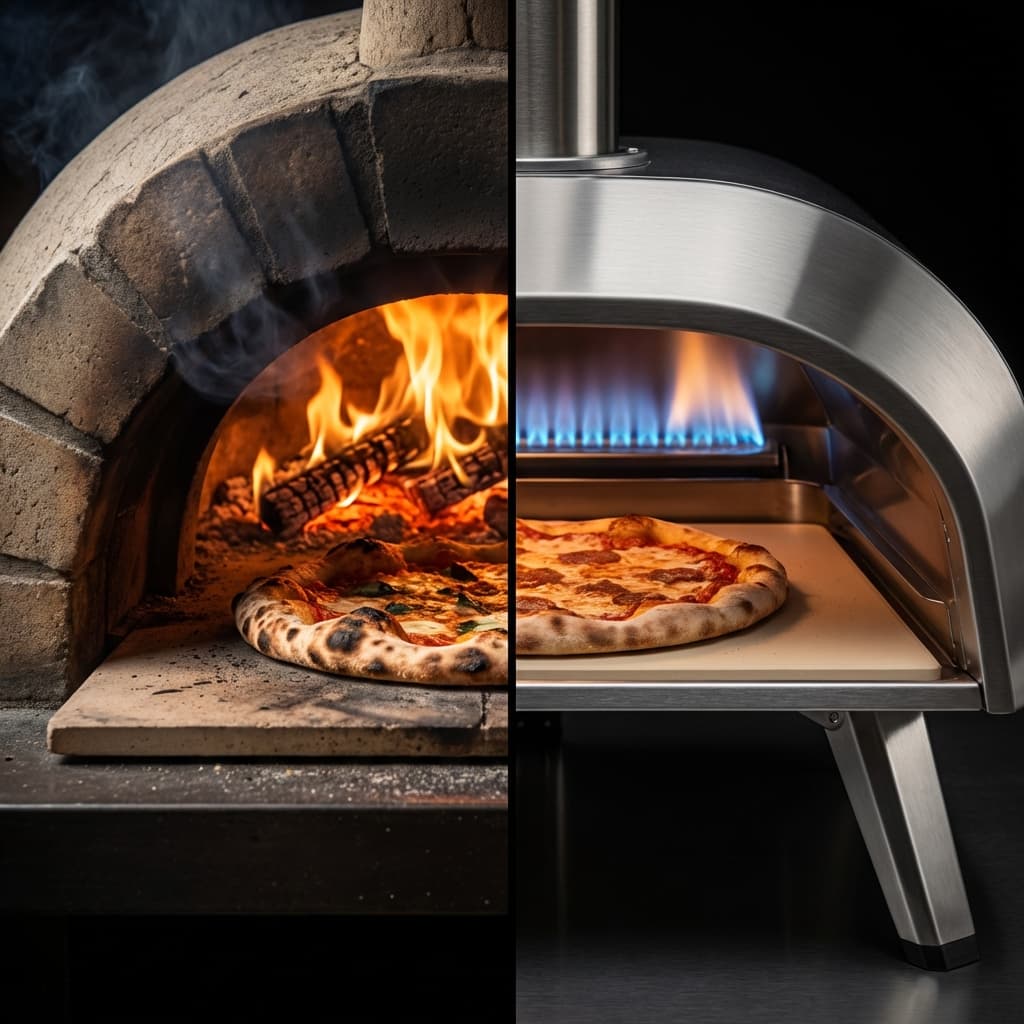
Wood vs. Gas Pizza Ovens: Which Should You Buy in 2026?
Home/Blog/Wood vs. Gas Pizza Ovens: Which Should You Buy in 2026?
Wood Ovens

Wood vs. Gas Pizza Ovens: Which Should You Buy in 2026?

James Oliver

James Oliver

Updated January 12, 2026

7 min read

💡The Quick Answer

Expert comparison of wood-fired vs. gas pizza ovens. See detailed pros/cons, costs, maintenance requirements, and get our top recommendations for different budgets.

The Answer

Wood-fired ovens deliver that authentic, smoky Neapolitan flavor and can reach temperatures exceeding 500°C, making them ideal for pizza purists. Gas ovens offer unbeatable convenience and consistency with instant temperature control and minimal maintenance. The right choice depends on whether you view pizza making as a craft and lifestyle experience (wood) or a convenient dinner solution (gas). For most homeowners, a quality gas model offers the best balance of ease and excellent pizza results.
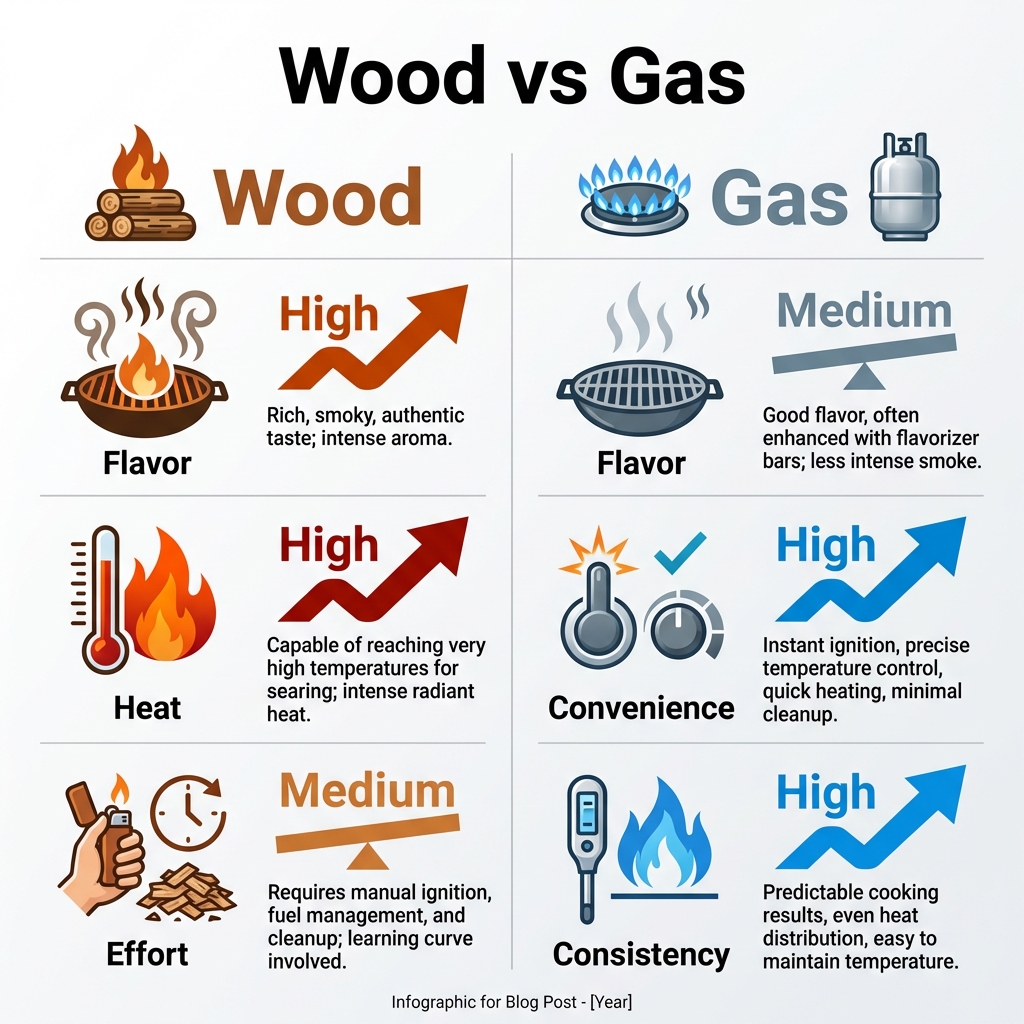
Infographic comparing wood and gas pizza ovens across flavor, heat, convenience, effort, and consistency
At a glance: How wood and gas ovens stack up on key metrics.
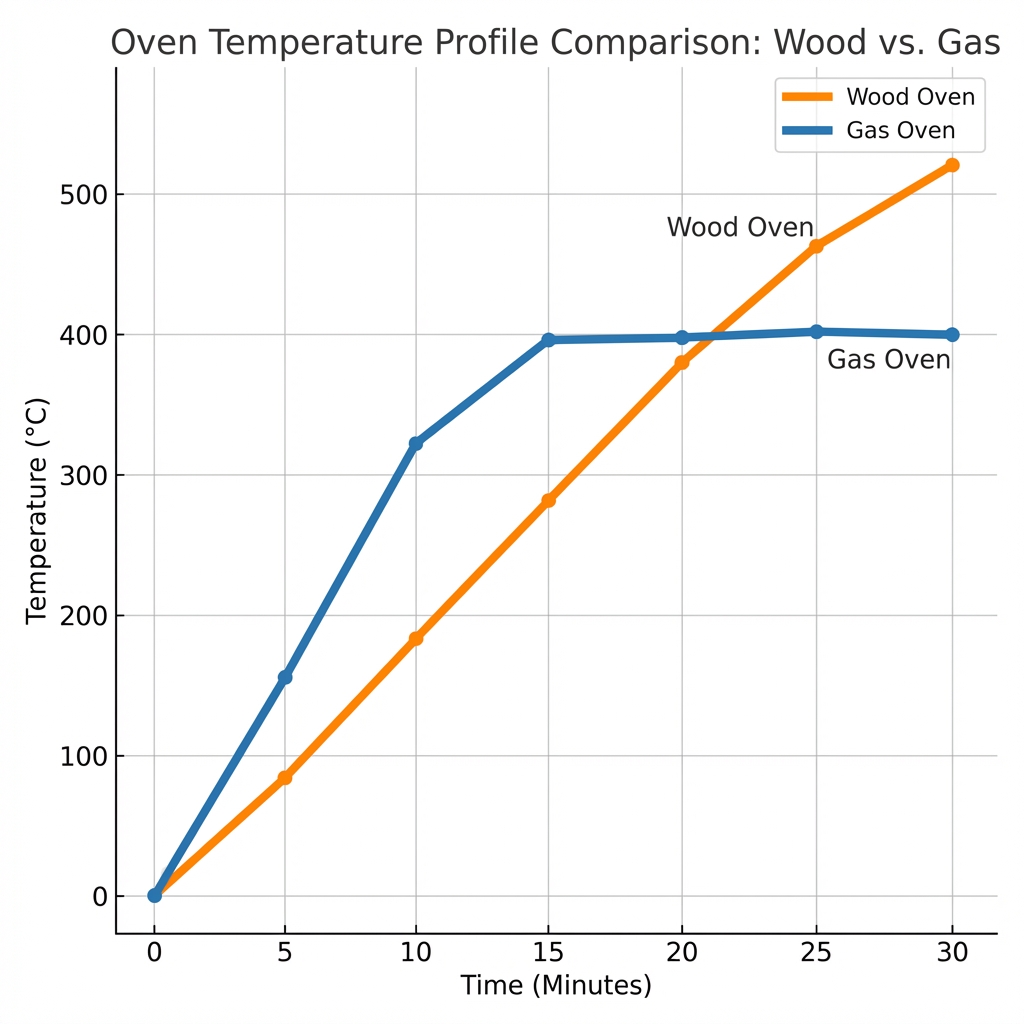
Temperature curve comparison showing wood ovens reach 500°C but take 20-30 minutes, gas reaches 300°C in 15 minutes
Startup time and temperature curves: Wood ovens reach 500°C in 20-30 minutes, gas reaches 400°C in 10-15 minutes.

The Case for Wood-Fired Ovens

There is something primal and satisfying about cooking with fire.
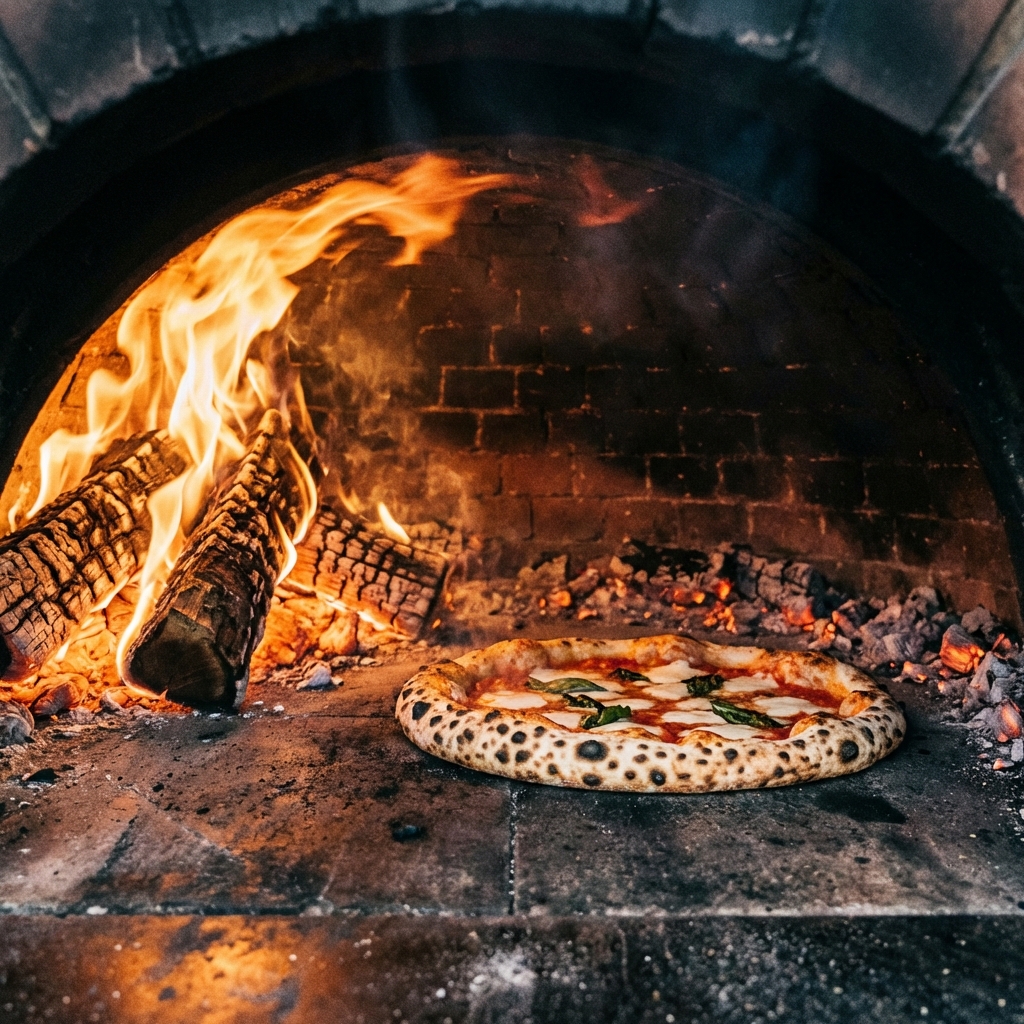
Wood-fired pizza oven interior with roaring fire showing leopard spotting on pizza
The unmistakable leopard spotting of a wood-fired Neapolitan pizza.

Pros

  • Check Flavor: Distinctive smoky taste that gas cannot replicate.
  • Check Heat: Can reach higher peak temperatures (500°C+) for that perfect leopard spotting.
  • Check Experience: The ritual of building and managing the fire is part of the fun.

Cons

  • Cross Learning Curve: Managing temperature requires skill and attention.
  • Cross Maintenance: Ash cleanup and soot management are required.
  • Cross Startup Time: Takes longer to reach cooking temperature (20-30 mins).
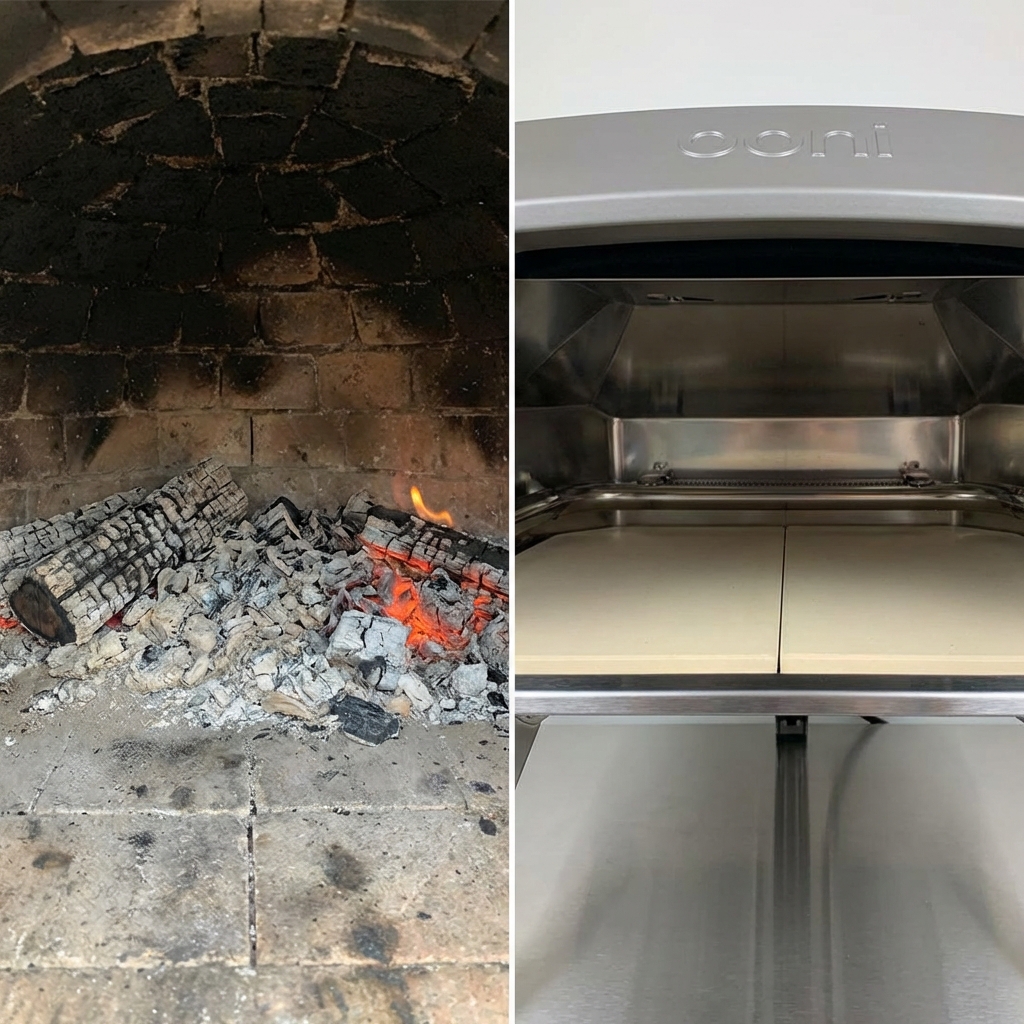
Comparison of wood oven with ash buildup versus clean gas oven interior
Maintenance difference: Wood ovens require regular ash and soot cleanup.

The Case for Gas Pizza Ovens

Gas ovens are the modern workhorses of the backyard.
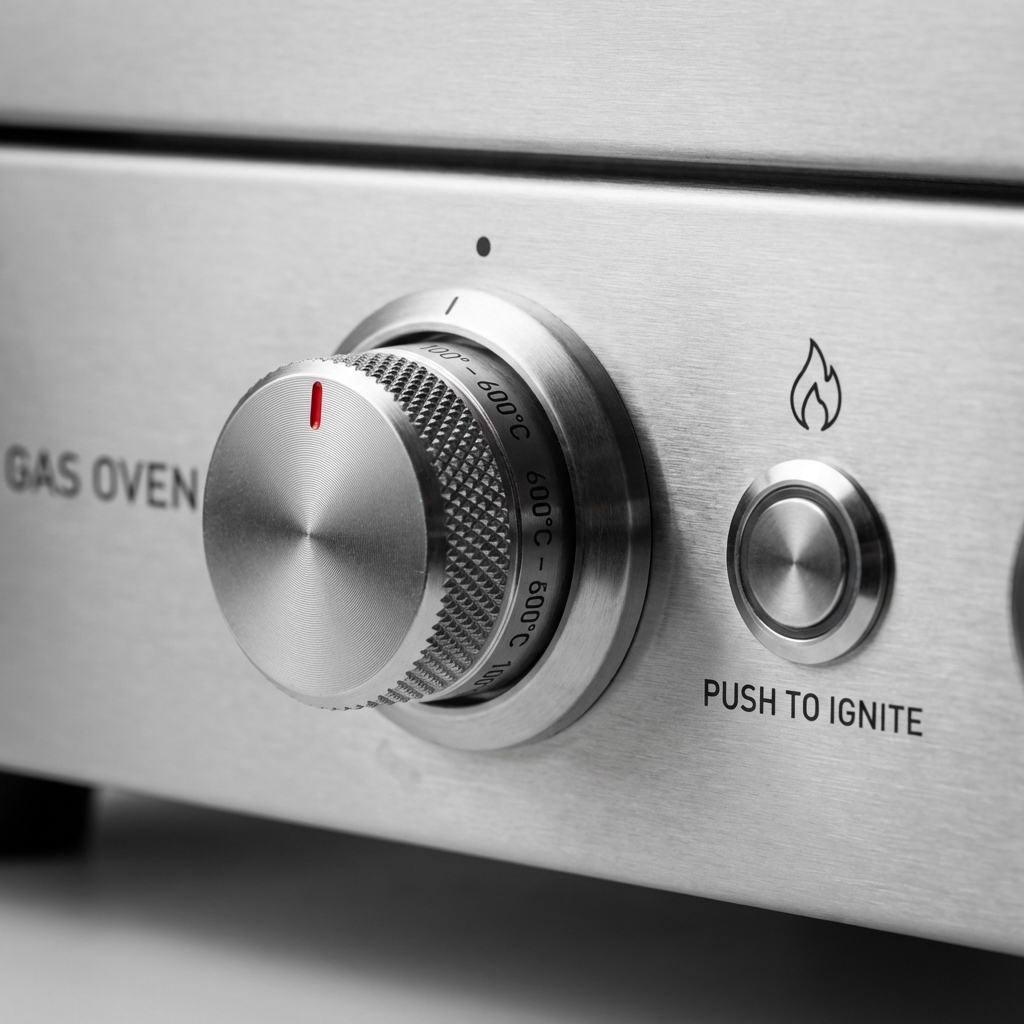
Modern gas pizza oven control panel with temperature knob and ignition button
Gas ovens offer precision control with the turn of a dial.

Pros

  • Check Convenience: Turn a dial, and you're cooking in 15 minutes.
  • Check Consistency: Constant temperature without refueling.
  • Check Cleanliness: No ash, no smoke (unless you burn the pizza!).
  • Check Control: easy temperature adjustment for different styles of pizza.

Cons

  • Cross Flavor Profile: Lacks the wood-fired aroma (though better than a home oven!).
  • Cross Portability: Often tied to a gas bottle.

Verdict

If you want the full authentic experience and have time to master the craft, go Wood (like the Ooni Karu 16).

If you want delicious pizza with zero hassle on a Tuesday night, go Gas (like the Ooni Koda 16).

💡

Expert Recommendation

If you're on a budget and value convenience: Start with a quality gas oven (Ooni Koda 16 range). If you're passionate about pizza and have the patience to learn: Invest in a wood-fired model (Ooni Karu 16). If you can afford it: Consider a dual-fuel hybrid that lets you enjoy both methods. Remember: Even excellent wood-fired pizza requires dedicated practice—there's no shame in gas if you want reliably delicious results every time.

Side-by-Side Comparison: Wood vs. Gas Pizza Ovens

FeatureWood-FiredGas
Initial Cost$2,000-$5,000$1,500-$3,500
Startup Time20-30 minutes10-15 minutes
Max Temperature500°C+300-400°C
Fuel Cost/Month£20-40£50-80
Learning Curve6+ months2-3 weeks
Maintenance/Year£100-200£50-100
Lifespan20+ years10-15 years
Best ForAuthentic flavorConvenience
Weather ResistanceGoodExcellent
InstallationProfessionalDIY-friendly

* Prices in GBP, as of January 2026

Want to see the best prices? Check out our Pizza Oven Deals page.

Frequently Asked Questions

Can you taste the difference with wood fired pizza?

Yes. Wood adds a distinct smoky aroma and flavor profile that gas cannot replicate. However, for a pizza cooked in 60-90 seconds, the difference is subtle to the average palate.

Is a gas pizza oven easier to use?

Significantly. Gas ovens offer push-button ignition and constant temperature control, whereas wood requires active fire management and learning how to control airflow.

Can I use wood in a gas pizza oven?

Only if you have a multi-fuel model like the Ooni Karu 16 or Gozney Dome. Dedicated gas models (like Ooni Koda) cannot burn wood.

What's the real cost difference over 5 years?

Initial cost varies ($2,000-$5,000 for wood vs. $1,500-$3,500 for gas), but gas ovens typically cost more to operate due to propane expenses. Wood ovens have higher maintenance costs (cleaning supplies, repairs). Over 5 years, expect 10-20% higher operating costs with gas.

How long do wood and gas ovens last?

Well-maintained gas ovens typically last 10-15 years before significant repairs. Wood-fired ovens can last 20+ years or even centuries if properly constructed. However, wood ovens often need dome repairs after 5-10 years of heavy use.

Can I have both types in one backyard?

Absolutely! Many owners install both to get the best of both worlds. This requires adequate space (minimum 8-10 feet apart) and proper ventilation. It's a popular setup for entertaining different crowds.

Does climate affect which type is better?

Yes. Gas ovens perform better in very windy conditions. Wood ovens work in any climate but are less convenient in cold weather due to startup time. In rainy climates, consider covered installations or quality weather covers for both types.

James Oliver

Written by James Oliver

Head Judge at The BBQ & Pizza Lab. Obsessed with achieving the perfect leopard-spotting on Neapolitan pizza.

You Might Also Like