
The Answer
Before you fire up, check your safety. Spiders love nesting in gas tubes during winter, which can cause dangerous flare-ups.
The Deep Clean Process
1. Safety Check
Disconnect the gas bottle. Check the hose for cracks (bend it to reveal splits). If in doubt, replace the regulator/hose kit.
2. Burn Off
Heat the grill on high for 15 minutes to carbonize leftover grease.
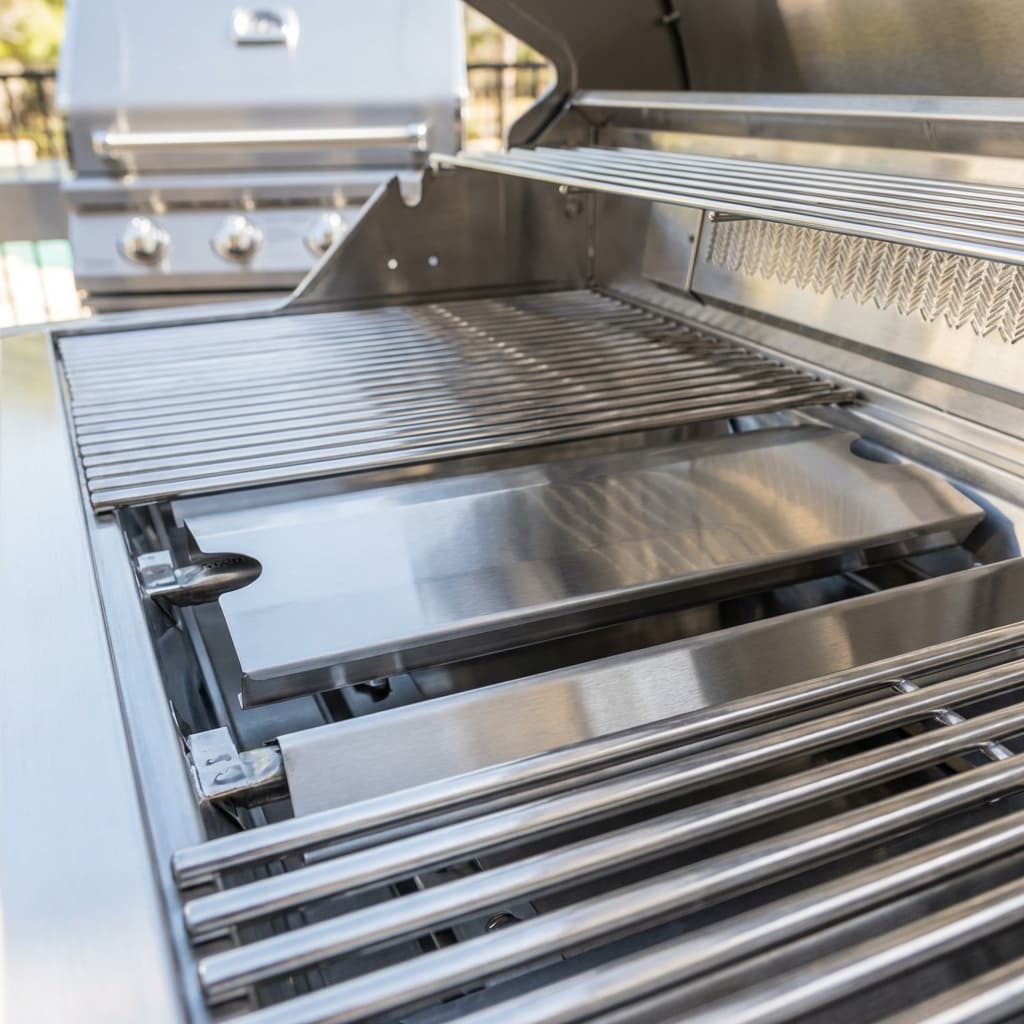
3. Cleaning the Grates
Remove grates and scrub with a wire brush and warm soapy water. For cast iron, re-season with oil after drying. For stainless steel, just scrub and rinse.
4. The Burners (Vital Step)
Remove the burners. Use a pipe cleaner or wire to poke through the gas ports (the little holes). blocked ports = uneven heating. Check the venturi tubes (where gas enters) for spider webs.
5. The Flavorizer Bars
Scrape off debris. If they are crumbling with rust, buy replacements. They protect your burners and add flavor.
6. The Drip Tray
Empty the grease trap. This is the #1 cause of grease fires. Line it with foil or use a new tray for the season.
Exterior Polish
For stainless steel hoods, use a specific stainless cleaner or baby oil to make it shine.
Summary
A clean BBQ cooks better and lasts longer. Do this once a year in Spring, and give the grates a quick brush after every cook!
Need a new grill? Check our top rated Gas BBQs for 2026.